
My Cutflower Garden
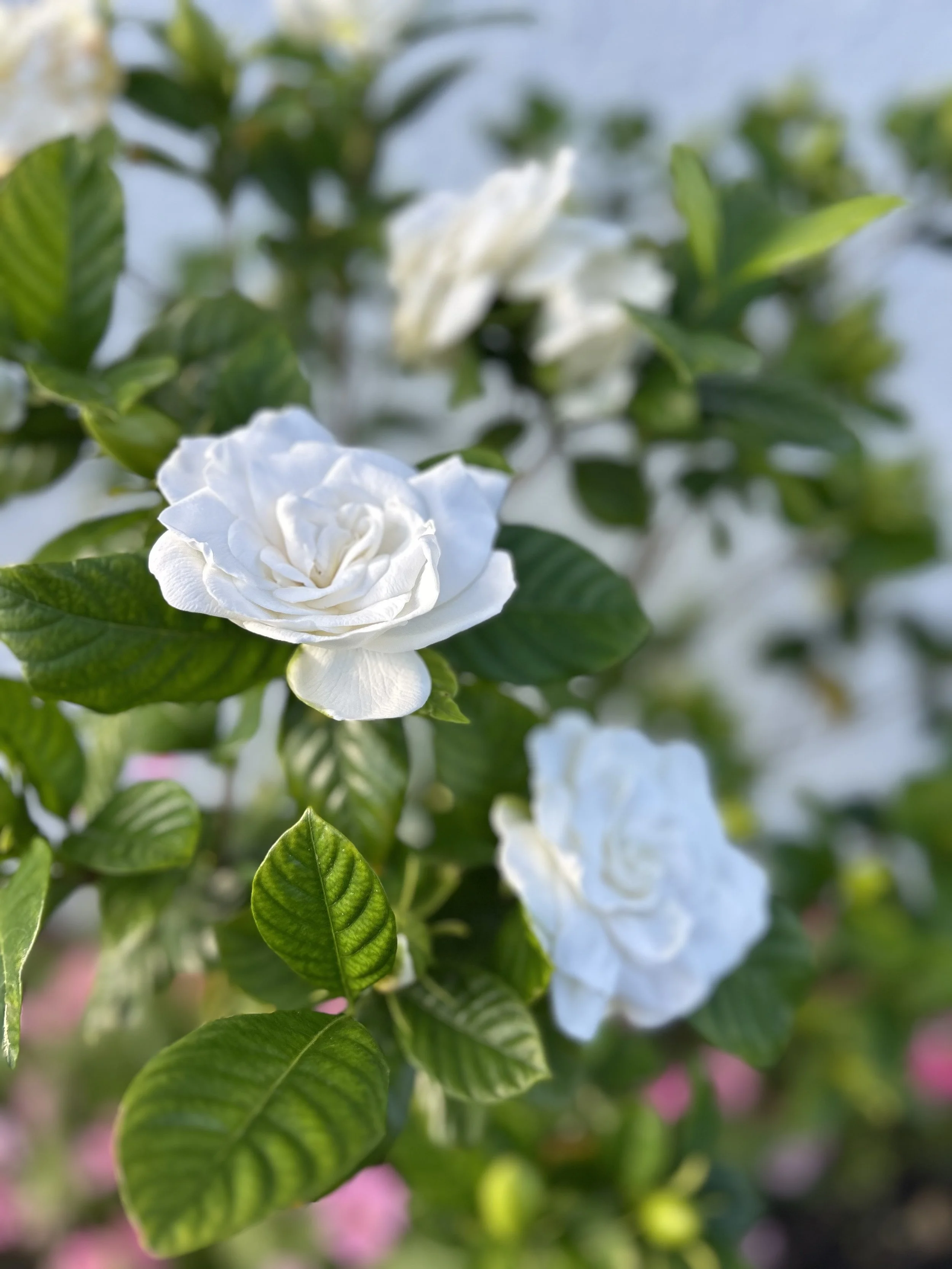
We live in zone 9b, so we can pretty much grow year-round. However, to grow during the summer months, we need hardy flowers that can take the heat. We have two growing seasons: Cool (October - April) and Warm (March - September). The “golden age” for growing cut flowers in Florida is October through April (when the humidity is lower).
Winter: The "Cool Season" Launch
January
Gladiolus: Begin the first round of the Spring Window (Late Jan – March). Plant corms 6" deep.
Maintenance: Monitor Poppies and Strawflowers planted in the fall for upcoming February blooms.
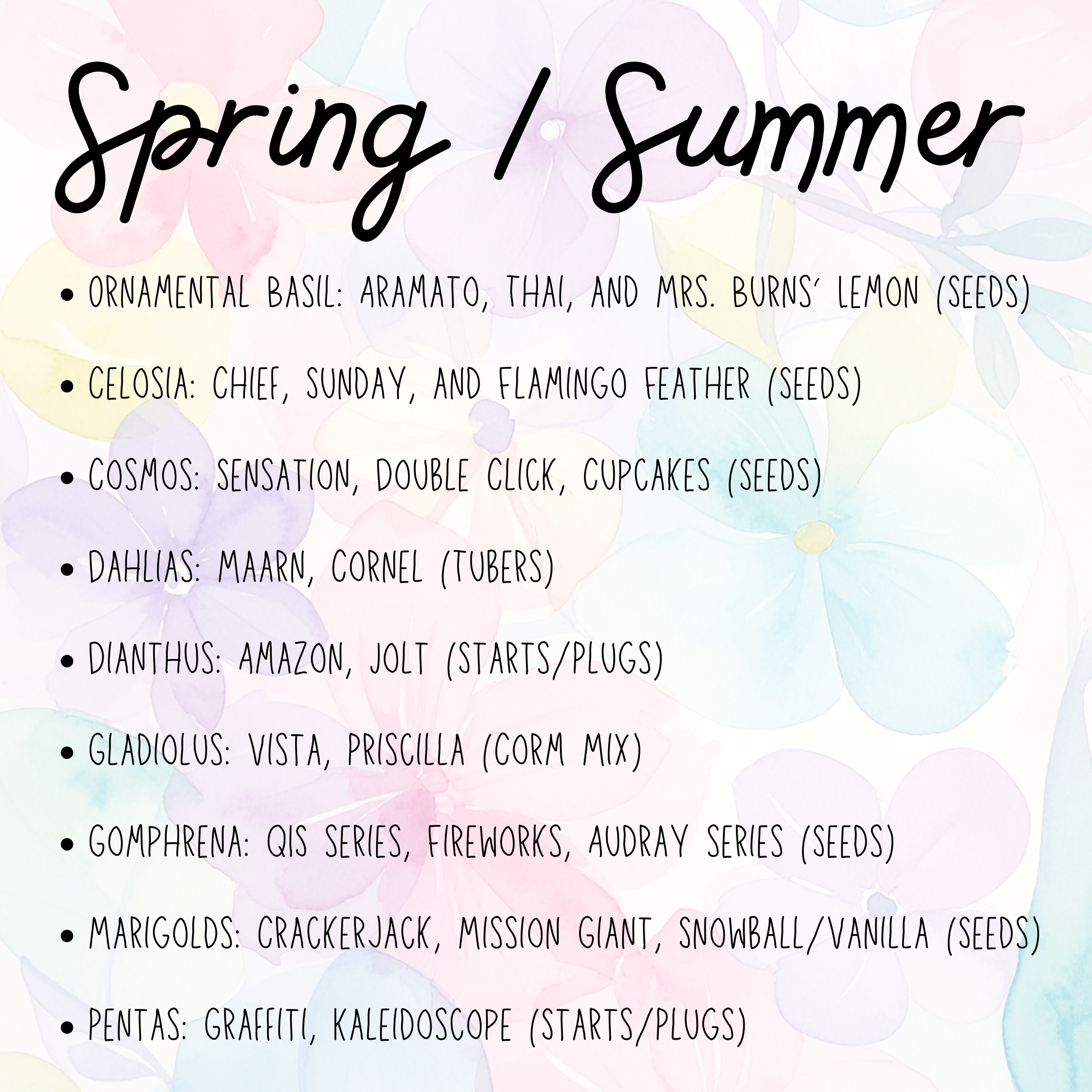
Spring and Summer Shopping List
February
Celosia: First planting of the year (Chief, Sunday, and Flamingo Feather).
Dahlias: Plant Spring varieties (Maarn and Cornel) to beat the summer heat.
Snapdragons: Plant for May/June flowers (Potomac handles rising heat best).
Cosmos: Plant bipinnatus varieties (Sensation, Double Click, Cupcakes).
Dianthus: Second planting window for Spring varieties (Amazon and Jolt).
Gladiolus: Continue staggered planting every 10–14 days.
Maintenance: Prune established Pentas back by 1/3 to 1/2 to reset growth.
Spring: The Transition to Heat
March
Globe Amaranth: Primary planting month. Soak "fluffy" seeds 12–24 hours before sowing.
Marigolds: Spring Window planting (Crackerjack, Mission Giant, Snowball/Vanilla).
Pentas: Ideal planting month for Graffiti and Kaleidoscope series.
Gladiolus: Final staggered planting for the Spring Window.
Maintenance: Pinch Snapdragons (8–12") and Cosmos (12") to encourage branching.
April
Celosia: Second planting window. Ensure 9–12" spacing for airflow as humidity rises.
Pentas: Final spring window for planting transplants in dappled shade.
May
Maintenance: This is a heavy harvest month! Deadhead Cosmos and Dianthus. Cut Dahlias when fully open. Watch for "the melt" as humidity spikes.
Summer: The Heat Warriors
June
Celosia: Third planting window; these thrive in humidity.
Ornamental Basil: Best time to plant Aramato, Thai, and Mrs. Burns’ Lemon. Use trays for a head start against heavy rains.
July
Maintenance: Cut back spring-planted Dahlias to help them survive the summer for a fall flush. Focus on harvesting Gomphrena and Celosia, which love the "steam bath."
Fall and Winter Shopping List
August
Dahlias: If starting new tubers for fall, plant them in pots in late August to move to the ground in October.
Maintenance: Solarize empty beds or prep soil for the massive October "re-plant."
Fall: The Second Spring
September
Celosia: Final planting of the year.
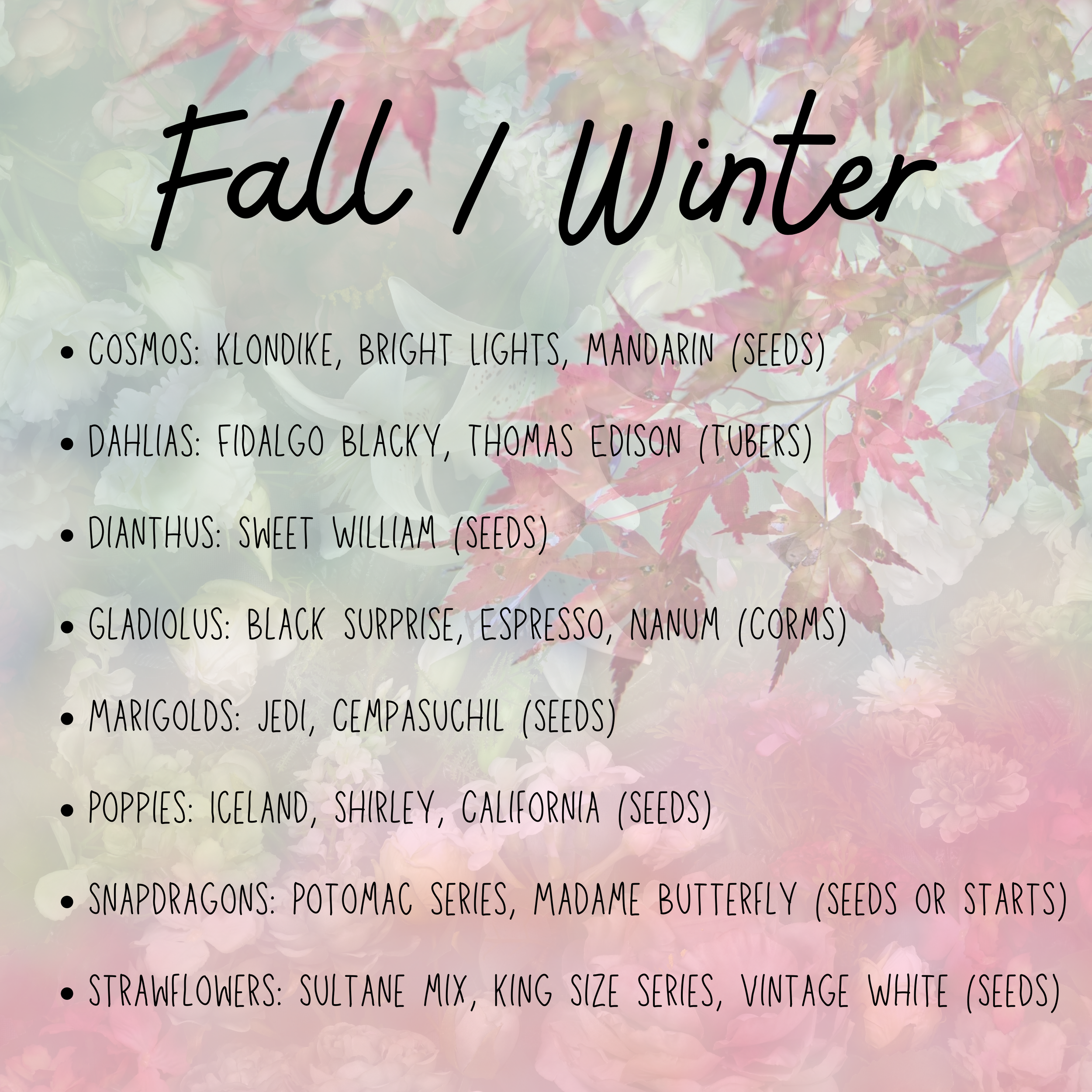
Cosmos: Plant sulphureus varieties (Klondike, Bright Lights, Mandarin).
Gladiolus: Start the Fall Window for Thanksgiving blooms.
October
Snapdragons: Primary planting for the "Spring Flush" (Potomac and Madame Butterfly).
Dianthus: Fall Window for Sweet William (Hardy annuals).
Dahlias: Move potted tubers or plant Fall varieties (Fidalgo Blacky, Thomas Edison).
Marigolds: Fall Window for Jedi and Cempasuchil.
Gladiolus: Final fall staggered planting.
November
Strawflowers: Primary planting month (Sultane, King Size). These will bush out over winter.
Maintenance: Direct-sow Poppies (see December for prep).
Early Winter: The Chill Window
December
Poppies: Plant Iceland, Shirley, and California varieties.
Pro-Tip: Remember to put seeds in the refrigerator for 2–4 weeks before this December sowing to trigger germination.
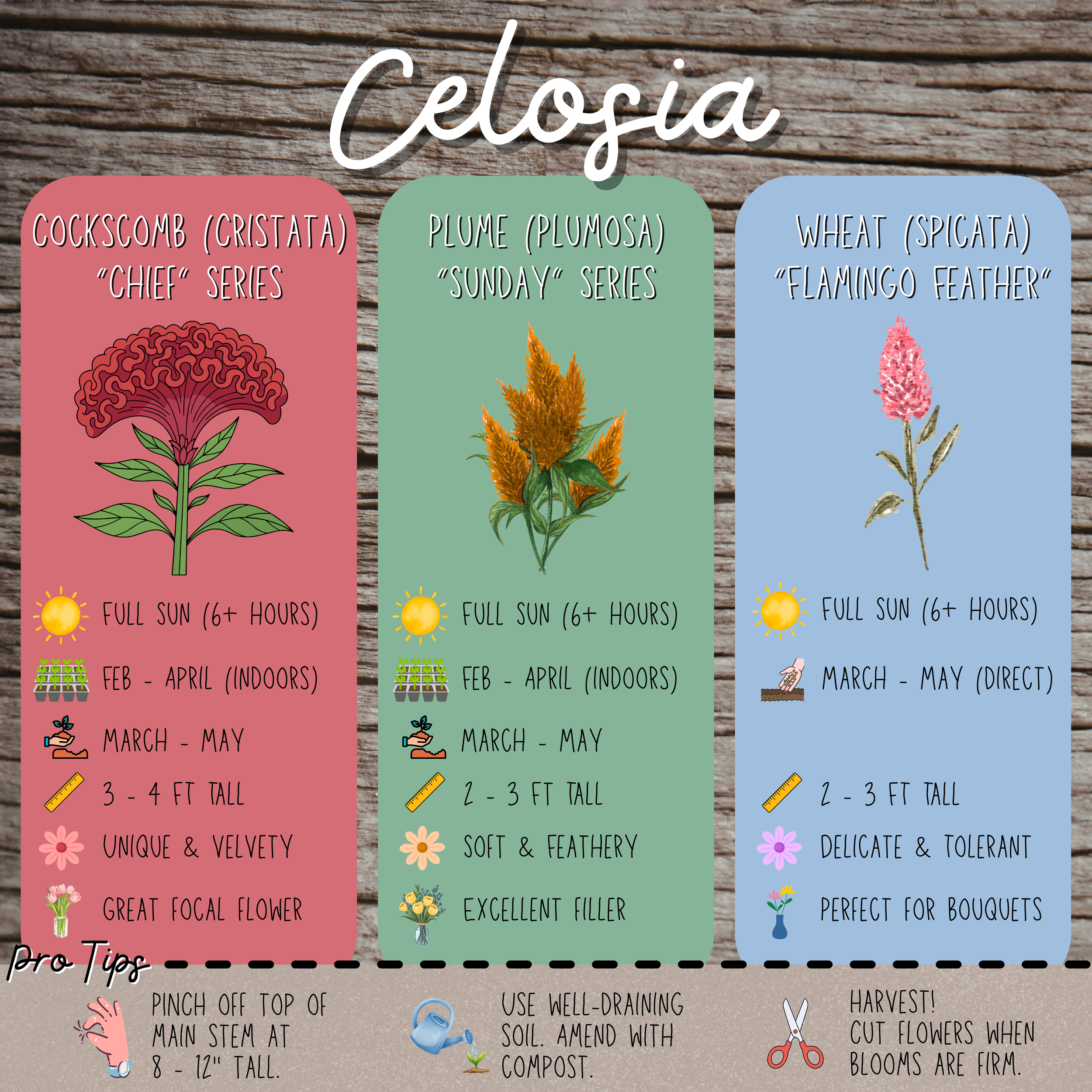
Celosia
Plant in February, April, June and September
Varieties
Cockscomb (cristata) chief series: Plant these in the sunniest part of the garden.
Plume (plumosa) Sunday series: Make sure these stems are supported with stakes or netting.
Wheat celosia (spicata) flamingo feather: These will grow in the sandy dead zone in the yard where nothing else will grow.
Celosia loves humidity, but hates standing water. They also like airflow through the bottom leaves, so plant 9 - 12 inches apart.
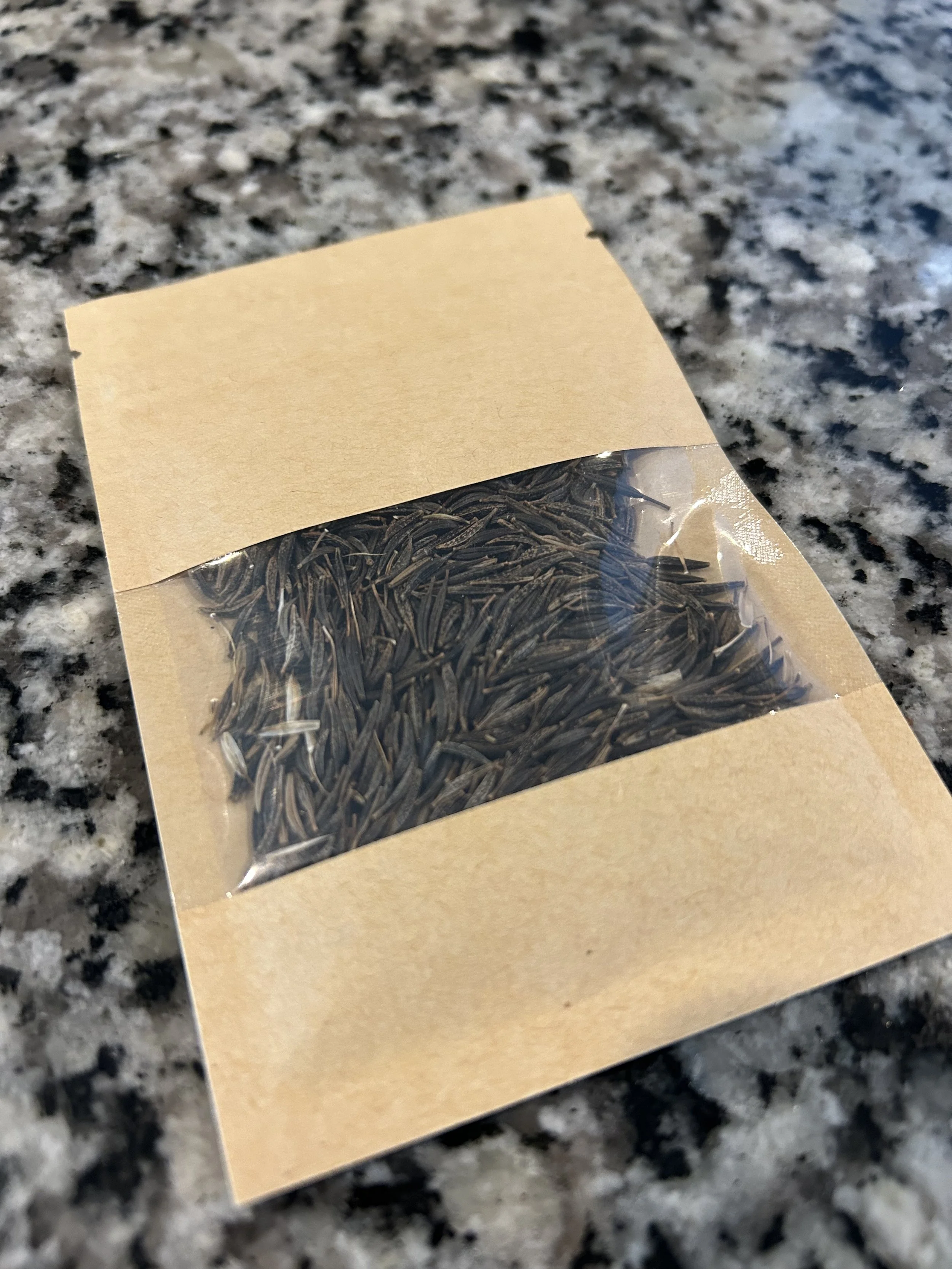
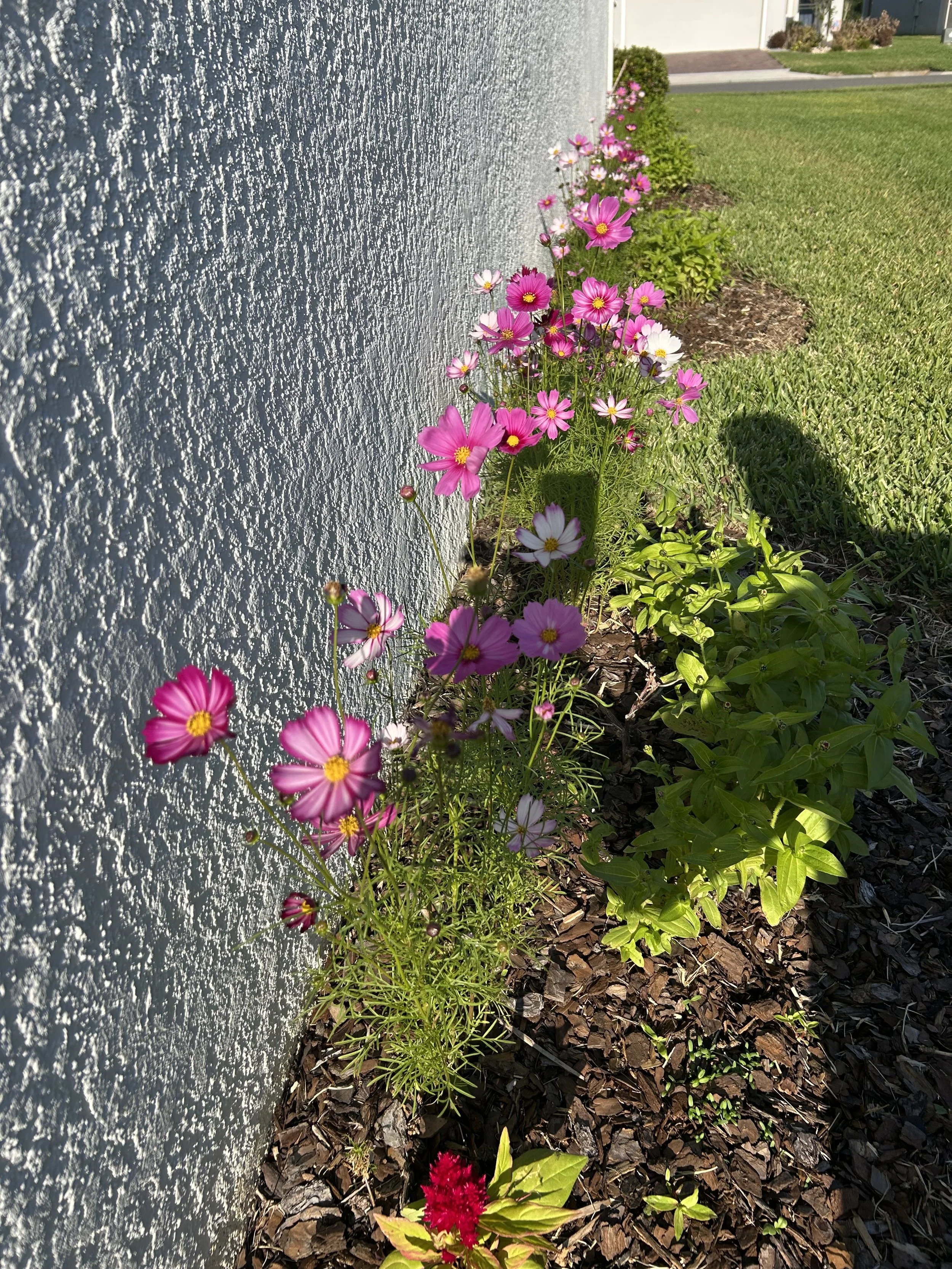
Cosmos
Plant in February (bipinnatus variety) and September (sulphureus variety)
Spring varieties: sensational mix, double click, cupcakes
Fall varieties: klondike, bright lights, mandarin
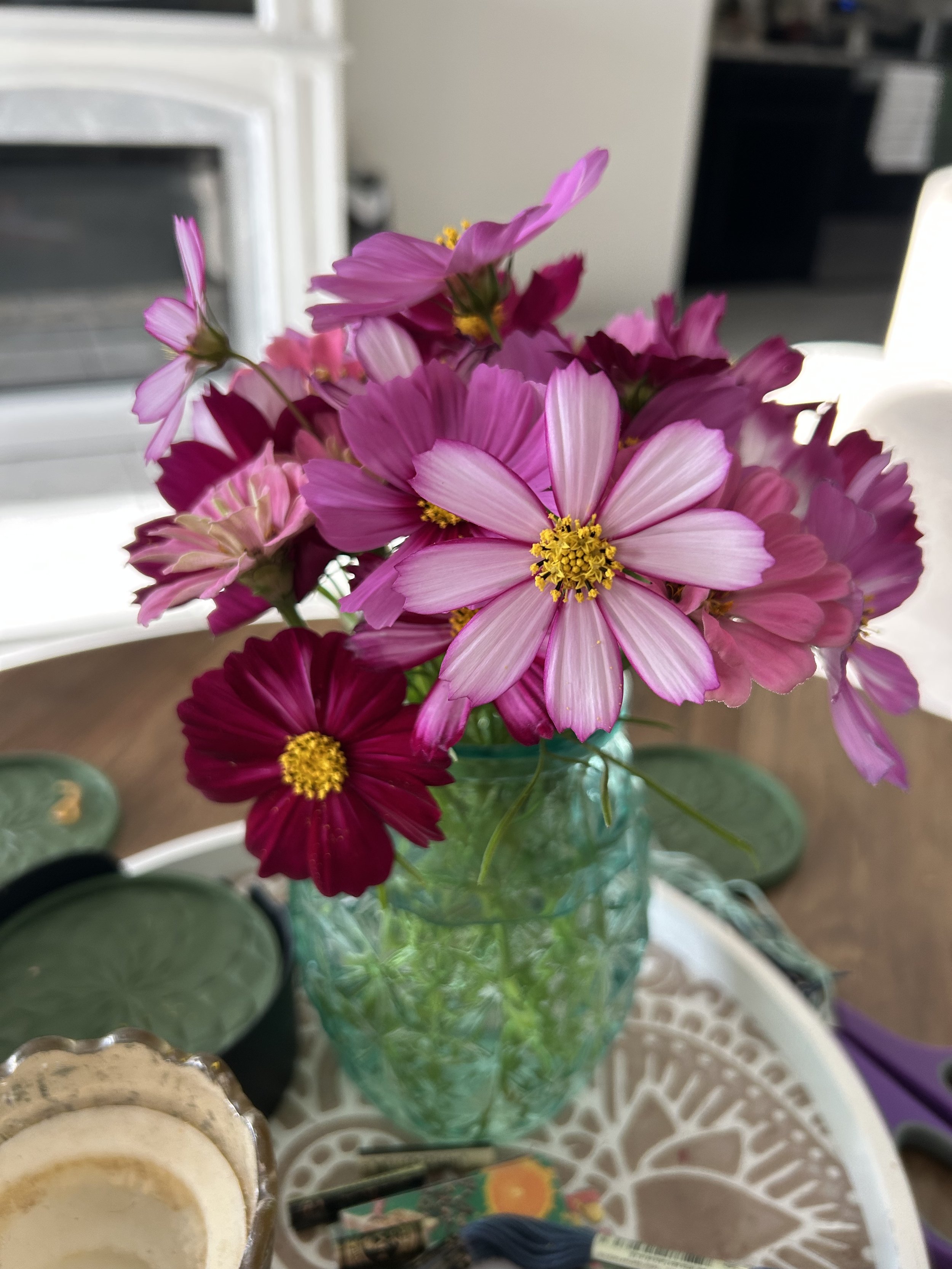
Hack: Pinch the center stem when the plant is about 12 inches tall. This will force the plant to branch out and give you 10-15 usable steams.
Deadhead the spent blooms. If the plant seeds, it will stop flowering entirely.
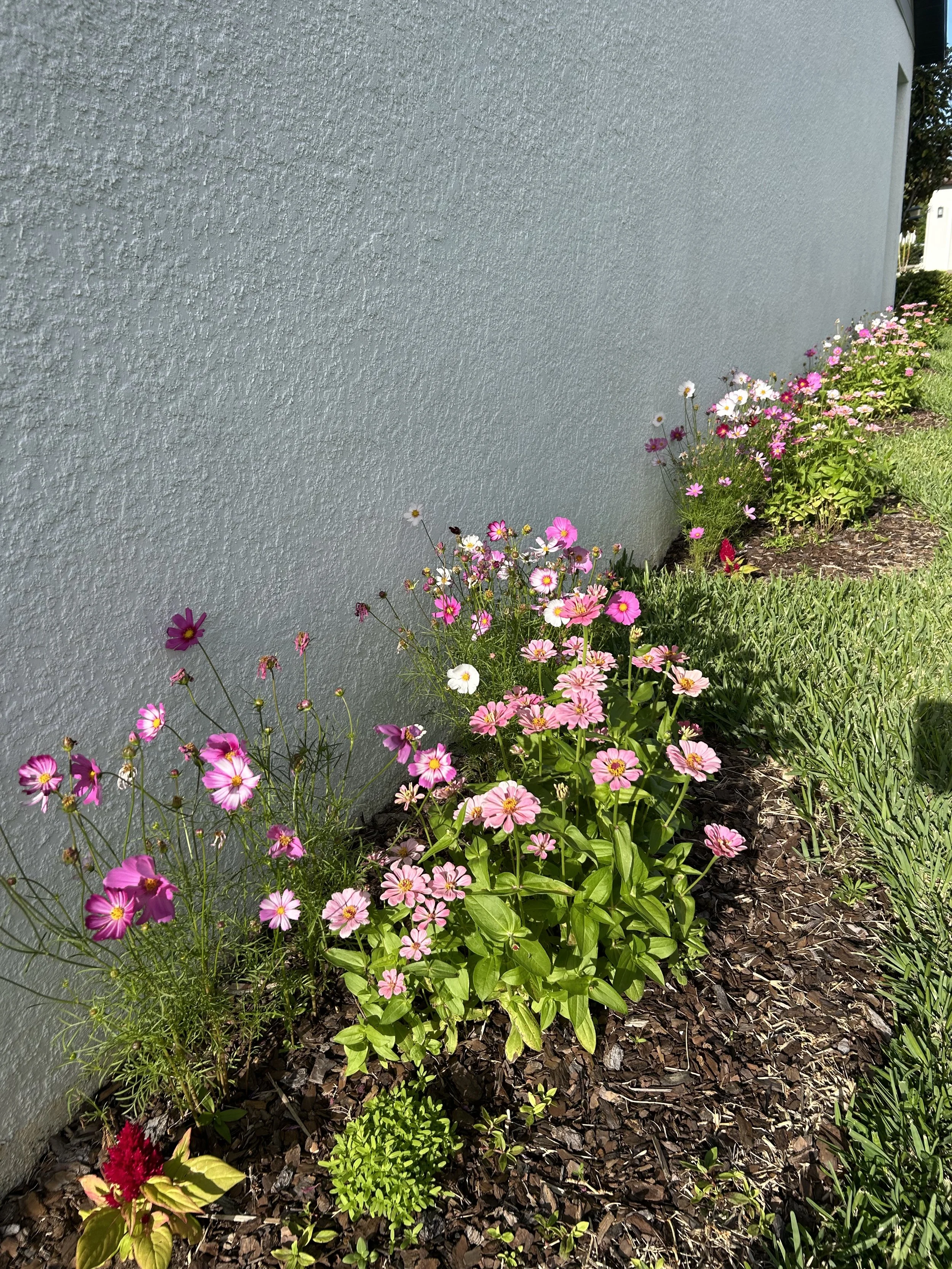
*It worked really well this year to plant a line of cosmos in the back row and then a row of zinnias in front of them during Valentine’s Day weekend. The cosmos grew first and added a nice pop of color to the yard. As the cosmos were dying off, the zinnias become taller and took over the role of adding color.
Dahlias
Plant in February and October
Spring Varieties
Maarn: This is a reliable variety with a tough structure that handles the intense UV rays of April well.
Cornel: This is the best variety for Florida. Since the petals are tucked tightly, it handles the humidity without “melting”.
Fall Varieties
Fidalgo blacky: This variety has darker flowers and prefers filtered afternoon sunlight to prevent the petals from scorching.
Thomas Edison: This is a heritage variety that handles heavy rain well.
Hack: Cut when they are fully open. Unlike roses, dahlias will not open much further once they are cut.
Dahlias thrive when daytime temps are 75 - 85 degrees Fahrenheit. Once the nights stay above 75 degrees and the days hit 90 degrees with 90% humidity, Dahlias stop blooming and often rot.
For a fall flush, you actually want to have your Spring-planted dahlias survive the summer (by cutting them back) or plant new tubers in late August (in pots) to move into the ground in October.
Dianthus
Plant in October and February
Fall Varieties
Sweet William - These are heardy annuals that prefer temperatures between 40 degrees and 70 degrees. They are very fragrant in come in beautiful bicolors. They are “first-year flowering” meaning you do not have to wait two years for blooms.
Spring Varieties - These varieties need to be deadheaded to continue producing.
Amazon series (neon duo, rose magic) - This is an interspecific hybrid bred specifically to handle warmer temperatures. They have thick, waxy leaves that resist the fungus common in 9b.
Jolt series - These are extemely heat-tolerant and can survive until June.
Dianthus are susceptible to stem rot. They prefer a higher pH.
Gladiolus
Gladiolus (often called "Glads") are the ultimate "vertical" architectural element for a Florida bouquet. In Zone 9b, they are incredibly rewarding because they are one of the few bulbs (technically corms) that thrive in our sandy soil and actually enjoy our heat.
The Spring Window:Late January through March. These will bloom in April and May. This is ideal because they avoid the heavy "thrip" (pest) pressure and the rot-inducing rains of mid-summer.
The Fall Window:September through October. These will bloom in late autumn. Because our winters are mild, Glads planted in October often provide stunning spikes for Thanksgiving.
Varieties
Vista series - These are famous for having "ruffled" edges and being very sturdy.
Priscilla- A classic pink and white bicolor that is exceptionally vigorous in Florida.
Black surprise or espresso - Deep, dark reds that add incredible drama to a bouquet.
Nanum - These are smaller and more delicate. They often "perennialize" better in Florida, meaning they are more likely to come back every year on their own.
A Gladiolus corm is a "one-shot" wonder. It sends up one (sometimes two) spikes, and then it’s finished for the season. To have Glads all season, do not plant your whole bag at once. Plant a handful of corms every 10–14 days. You will have a continuous supply of fresh spikes for 2–3 months rather than 50 flowers all blooming in the same week.
Glads need at least 6–8 hours to prevent the stems from becoming "floppy" as they reach for light.
In our soft, sandy 9b soil, you must plant them deep—at least 6 inches down. Plant them 4–6 inches apart. You can "stagger" them in a zig-zag pattern to make the row look fuller.
Cut the spike when the bottom one or two flowers are just beginning to show color and open. The rest of the flowers will open gradually in the vase, giving you a 10–14 day vase life.
If you want the corm to grow back next year, leave at least 4 leaves on the plant when you cut your flower spike. These leaves "recharge" the corm for next season.
Globe Amaranth (or Gomphrena)
Plant in March
One planting in April will often bloom continuously until your first frost in December. These are known as the “set it and forget it” flowers.
Gomphrena seeds are encased in a "fluff" that contains a germination inhibitor. For best results, soak your seeds in warm water for 12–24 hours before planting.
Plant them 6 inches apart. This forces the stems to grow long and straight rather than sprawling all over the ground.
Varieties
QIS series (the gold standard for cutflowers) - These have long, sturdy 24-inch stems and come in carmine, pink, white, and purple. They are very productive and highly disease-resistant.
Fireworks - This is a central Florida superstar. It grows into a large, airy bush with hot pink “sparkler” blooms. It is a perennial in zone 9b, meaning it will likely come back every year.
Audray series - Similar to QIS, but bred to handle even higher humidity. Audray bicolor rose is a florist favorite for its ombre effect.
Pinch the main stem when the plant is 6 inches tall. This is the secret to getting 20+ stems per plant instead of just three.
Cut when the flower head is fully colored but before the tiny yellow "stars" (the actual tiny flowers) start popping out from the sides for the longest vase life.
Marigolds
Plant in March and October
Standard bedding marigolds (French Marigolds) are too short for bouquets. You want African Marigolds (Tagetes erecta), which produce 30-inch stems and "pom-pom" heads.
Spring Varieties
Crackerjack Mix - These are a tall mix of orange and yellow that reach 3 feet.
Mission Giant series - These are bred specifically for long stems and massive, dense flower heads.
Snowball or Vanilla - These are creamy, pale yellow/white and offer a more sophisticated look.
Fall Varieties
Jedi series - These have strong stems that don’t “snap” in the wind - perfect for a brisk autumn day.
Cempasuchil (Mexican) - The tall heirloom varieties here are used for Day of the Day. They do well in Florida and their high “lutein” content helps repel soil pests.
Plant tall Marigolds around the perimeter of flower beds (especially near your Dahlias and Zinnias). Their strong scent helps mask the smell of other flowers from pests like aphids and beetles.
When the plant is 10 inches tall, snip the top of the plant. This prevents it from becoming one giant "shrub" and instead produces multiple long stems for cutting.
Ornamental Basil
Plant in June
You can direct sow seeds, but in Florida, it is often better to start them in trays or buy small starts. This gives them a head start against weeds and heavy rain.
Varieties
Aramato- This basil has purple leaves and sturdy stems.It is a cross between 'Thai' and 'Genovese.' It handles the humidity better than almost any other purple basil.
Thai- Thai basil has small, pointed leaves and purple flowers. It loves the Florida "steam bath." It stays sturdy even in 95°F heat and has a spicy, licorice scent.
Mrs. Burns’ Lemon - This basil has bright green leaves and a citrus scent. This is an heirloom from New Mexico, so it handles intense UV rays very well. It is more prone to "bolting" (flowering) quickly, which is actually what you want for a cut-flower garden!
These plants will actually produce better-looking leaves if they have a little bit of "dappled" afternoon shade.
When the plant is 8 inches tall, snip the top off just above a leaf node. This will cause the plant to branch. When those branches are long enough to use in a bouquet, cut them deep (almost back to the main stem). This keeps the plant producing new long stems.
Usually, cooks tell you to "pinch off the flowers." In a cut-flower garden, let them bloom! The purple flowers of the Thai basil and the white spikes of Mrs. Burns' look beautiful in a vase and provide incredible "scent-scape" for your bouquets.
Basil is a "thirst" plant. When you cut it for a bouquet, immediately put the stems into warm water. If you put basil in a refrigerator or a cold florist cooler, the leaves will turn black. Keep basil bouquets at room temperature.
Pentas
Plant in March or April
In Central Florida, pentas prefer "Dappled Shade" or "Morning Sun/Afternoon Shade." They are also known as pollinator magnets as they attract monarchs, swallowtails, and hummingbirds.
Varieties
Graffiti - These are known for being very compact and mounded. While beautiful, they have slightly shorter stems. Plant these at the front of your flower bed.
Kaleidoscope - These tend to grow a bit taller and more upright than the Graffiti series. These are your best choice for cutting for small "posy" bouquets.
When you harvest a cluster of blooms, cut the stem deep (down to where it meets a main branch). This encourages the plant to send up a new, longer shoot rather than just branching at the tip.
Pentas have a surprisingly good vase life (5–7 days). Make sure to strip any leaves that would sit below the water line, as Pentas foliage can get "swampy" quickly.
Because Pentas are perennials here, they can become "leggy" or woody after a year.
Every February, cut your Pentas back by about 1/3 to 1/2. This "resets" the plant and forces a flush of fresh, green growth and hundreds of new blooms.
Use a slow-release "Bloom Booster" (higher in Phosphorus) every 2–3 months to keep the flower production high.
Poppies
Growing season: December - March
Put the seeds in the refrigerator for 2 - 4 weeks before sowing them in December.
Varieties
Iceland (Papaver nudicaule): champagne bubbles or colibri
Shirley (papaver rhoeas): amazing grey or pandora
California (eschscholzia californica): Thai silk, mission bells
Poppies are "long-day" plants, but they hate "hot-day" temperatures. To extend their life in Florida, plant them on the East side of a building where they get 6–8 hours of morning sun but are protected from the 2:00 PM heat.
Cut the poppies when the bud is upright and the color is just beginning to show through the green casing (it should feel squishy like a marshmallow).
Hack: Sear the bottom 1 inch of the stem with a lighter or dip it in boiling water for 10 seconds immediately after cutting. This seals the "latex" sap inside and prevents the flower from wilting in the vase.
Snapdragons
Plant in October and February
Snapdragons take 10–12 weeks to bloom from seed.
Varieties
Potomac series - If supported, these snapdragons can reach 36 - 4o inches tall.
If planted in October, they will grow a massive root system and provide an incredible "Spring Flush" in March.
If planted in February, they are the best bet for flowers in May and June because they don't mind the rising heat.
Madame butterfly - These are world-famous for their "Open Face" or "Double" blooms. They don't "snap"; they look like fluffy butterflies or Victorian ruffles.
When the plant is 8 - 12 inches tall, snip off the top 3 inches. This forces the plant to send up 5–8 "side" stems. It will produce slightly smaller flower spikes, but a much higher volume of flowers.
Strawflower
Plant in November
These flowers will grow into sturdy bushes over winter and start blooming in February.
Varities
Sultane mix - Famous for high yields and long, sturdy stems.
King size series - These produce the largest "blooms" (technically bracts) and reach about 36–40 inches tall.
Vintage white or silvery rose - These specific muted colors are stunning for a more modern (or boho) look.
Strawflowers get top-heavy. Use stakes or netting to prevent them from toppling over during a March windstorm.
For the best vase life (and for drying), cut the stem when only the outer 2–3 layers of petals have opened.
When the plant is about 12 inches tall, snip off the central growing point (the top 2 inches).
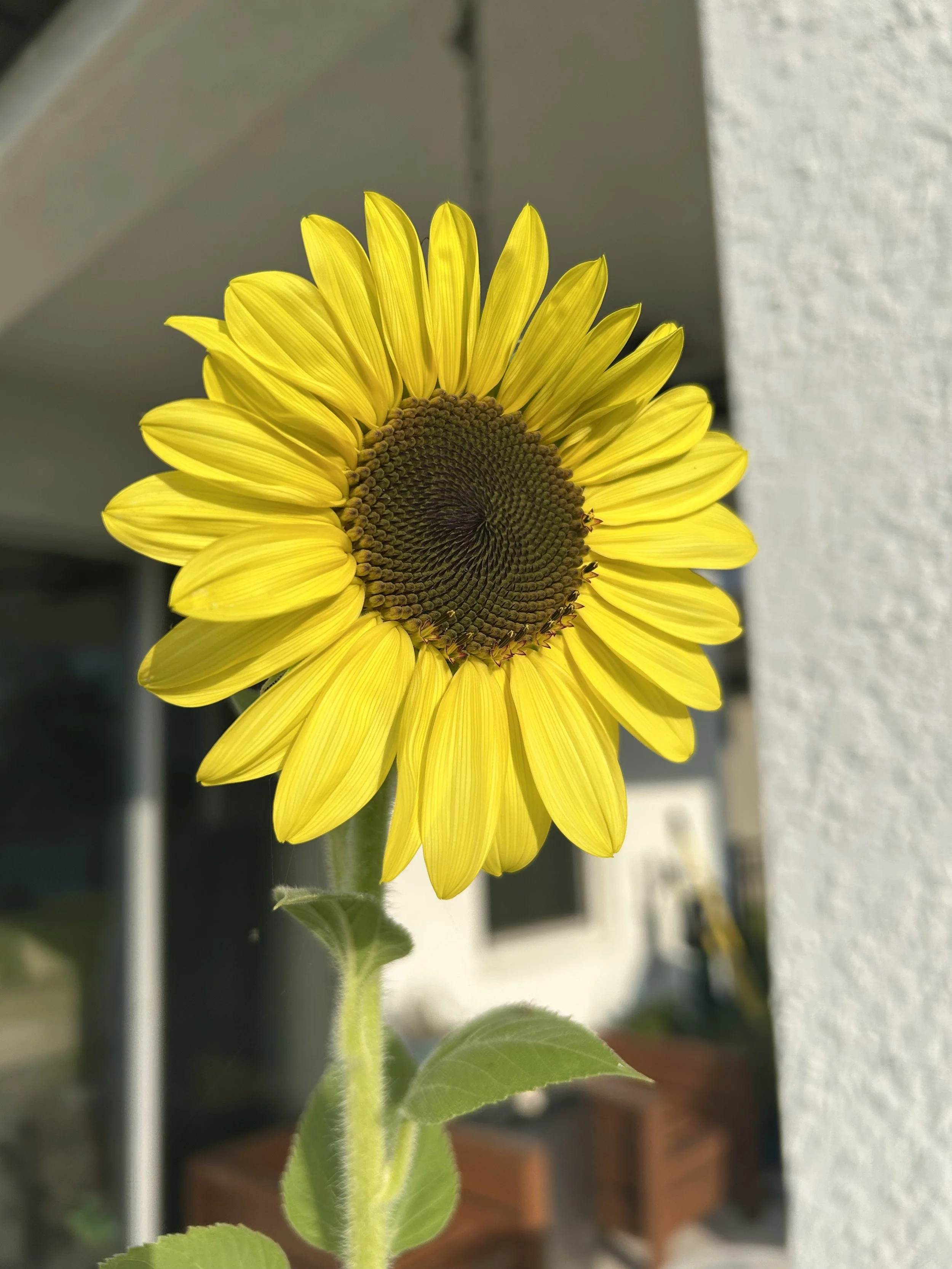
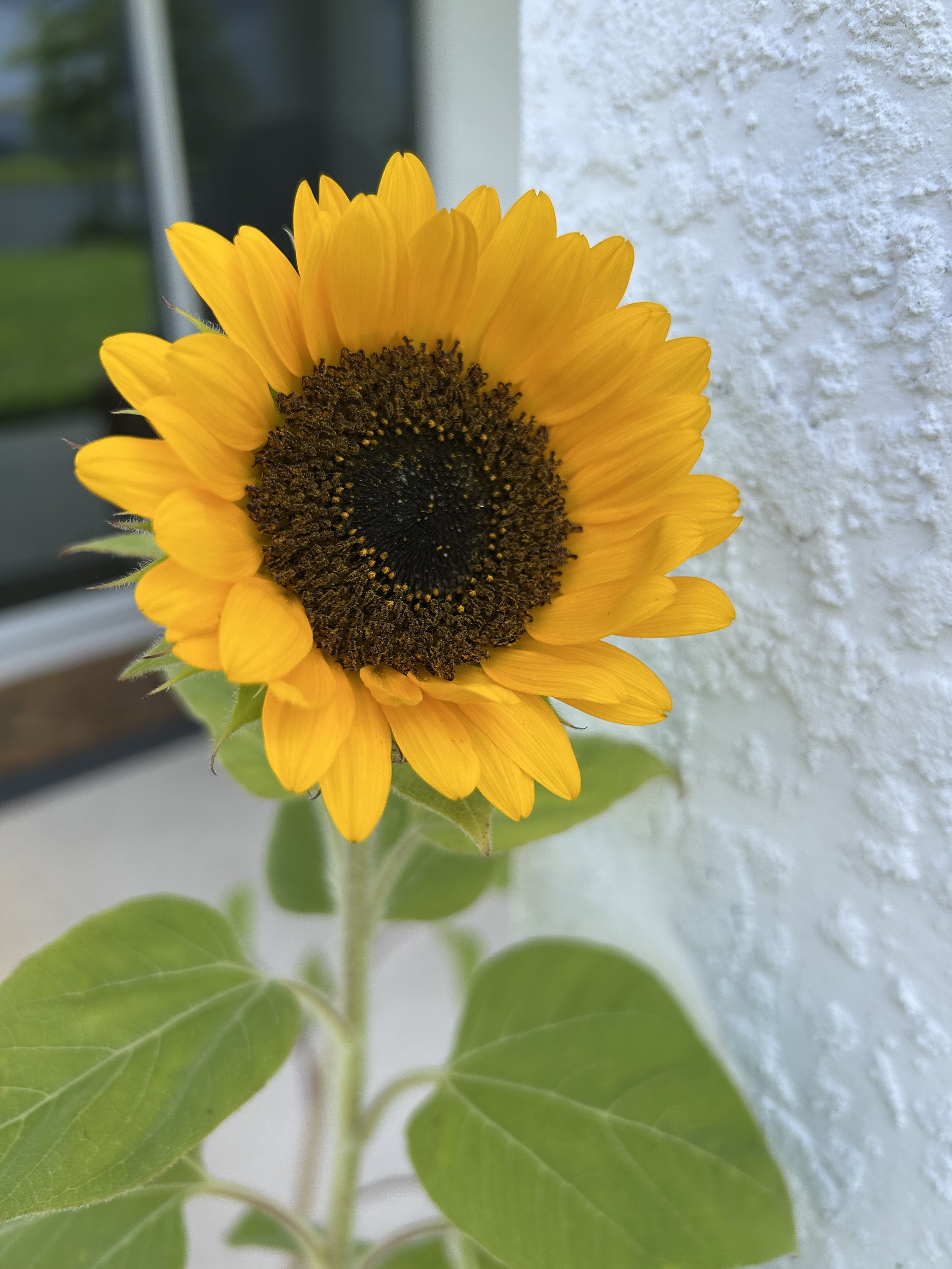
Sunflowers
Plant in February - September
February: Use a ProCut variety (like ProCut Orange) for the fastest result.
March – May: Plant any variety. This is the "Prime Time" for Sunrich, as the weather is dry and the sun is bright.
June – August: Use Vincent’s Choice. These are bred to be slightly more "extra-petal" and can handle the heavy summer rains without the heads becoming waterlogged and bowing down.
Plant 10–20 seeds every 2 weeks. If a summer storm wipes out one batch, your next batch is only 2 weeks behind.
September – October: Plant the final rounds for "Fall" bouquets. The ProCut Red or ProCut Plum are stunning during the Florida autumn.
All of the varities below are single stemmed and pollenless (so they won’t drop yellow dust on the table).
Varieties
Procut Series - These are the quickest growing (50 - 65 days) of the varieties listed here.
Sunrich - This is known for being long-lasting and can withstand the harsh UV light without fading.
Vincent’s Choice - These sunflowers have heads that look up rather than drooping. They take the longest to grow (70 - 80 days), but are considered best for "full" bouquets.
Sunflowers are heavy feeders. Our sandy soil leaches nutrients quickly. Mix a slow-release organic fertilizer (like Espoma Plant-tone) into the soil at planting. Once the plants are 12 inches tall, give them a liquid seaweed or fish emulsion feed once a week.
Cut as soon as the first petal begins to lift off the dark center disk. The flower will open fully in the vase. This ensures 7–10 days of vase life and prevents birds from eating the petals in the garden.
Sunflowers drink a massive amount of water. Check your vase daily; they can empty a small jar in 24 hours!
Sweet Peas
Plant in November
Late October: Soak your seeds and plant them.
December–January: They will grow slowly through the "winter." They can handle a light frost (down to 28 degrees) with no problem.
February–March: This is your bloom window. The air is crisp, the sun is bright, and the Sweet Peas will smell incredible.
Varieties
Winter Sunshine Series - Bred specifically to bloom when the days are still short.
Elegance Series - These are the most heat-tolerant. They will stay blooming about 2 weeks longer into the spring than heirloom types.
Dig a trench 1 foot deep, fill the bottom with composted manure, and then put your soil on top. This is the most important step in Florida. Put 3 inches of straw or wood chips over the roots. If the soil gets hot, the plant dies.
These are climbers! You need a trellis, netting, or a cattle panel at least 6 feet tall.
When the plant is 6 inches tall, snip off the top. This forces it to send up more "vines," which means more flowers.
You must harvest every single flower. If you leave even one pod to turn into a "pea," the plant will think its job is done and it will stop blooming immediately.
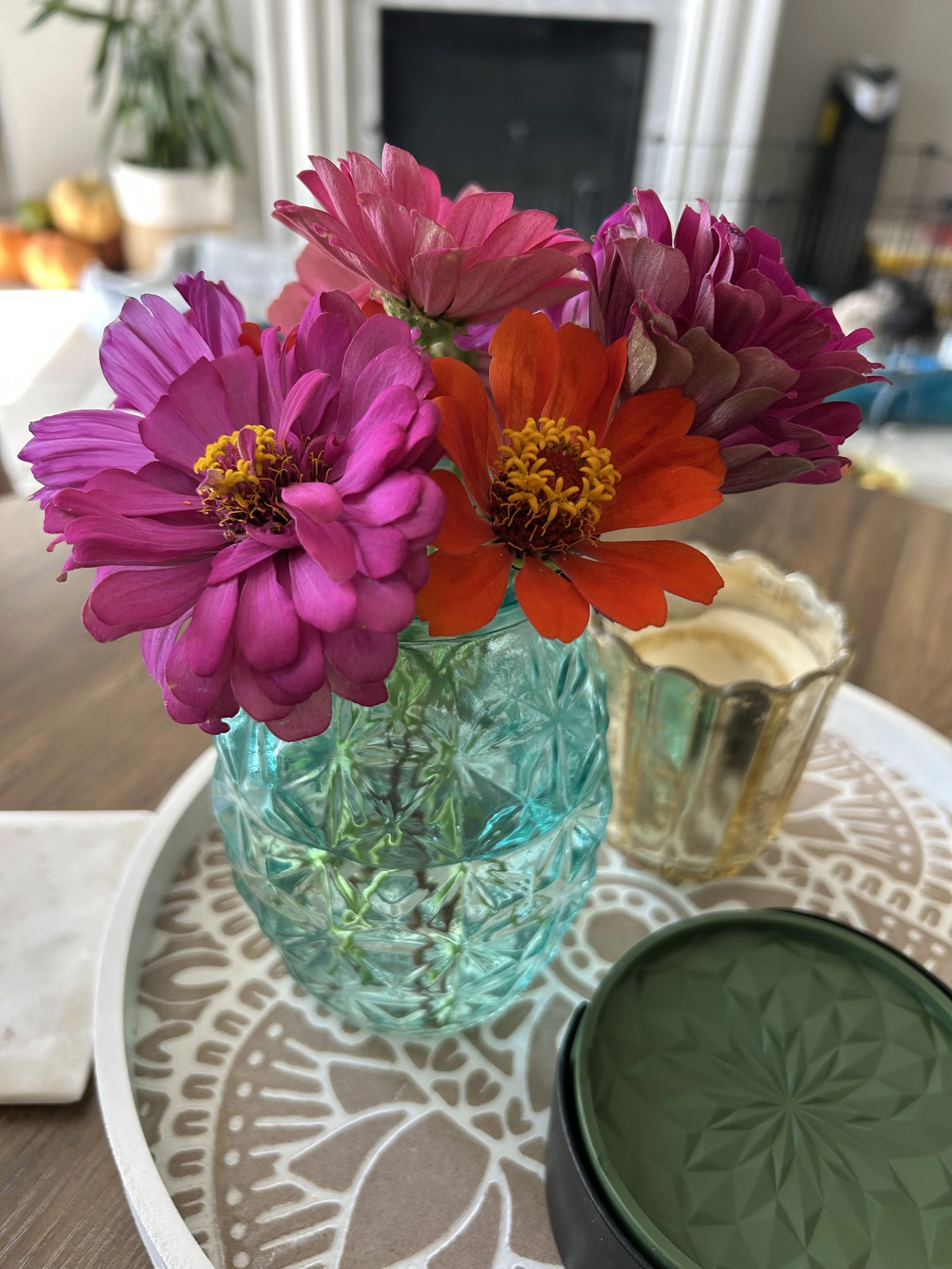
Zinnias
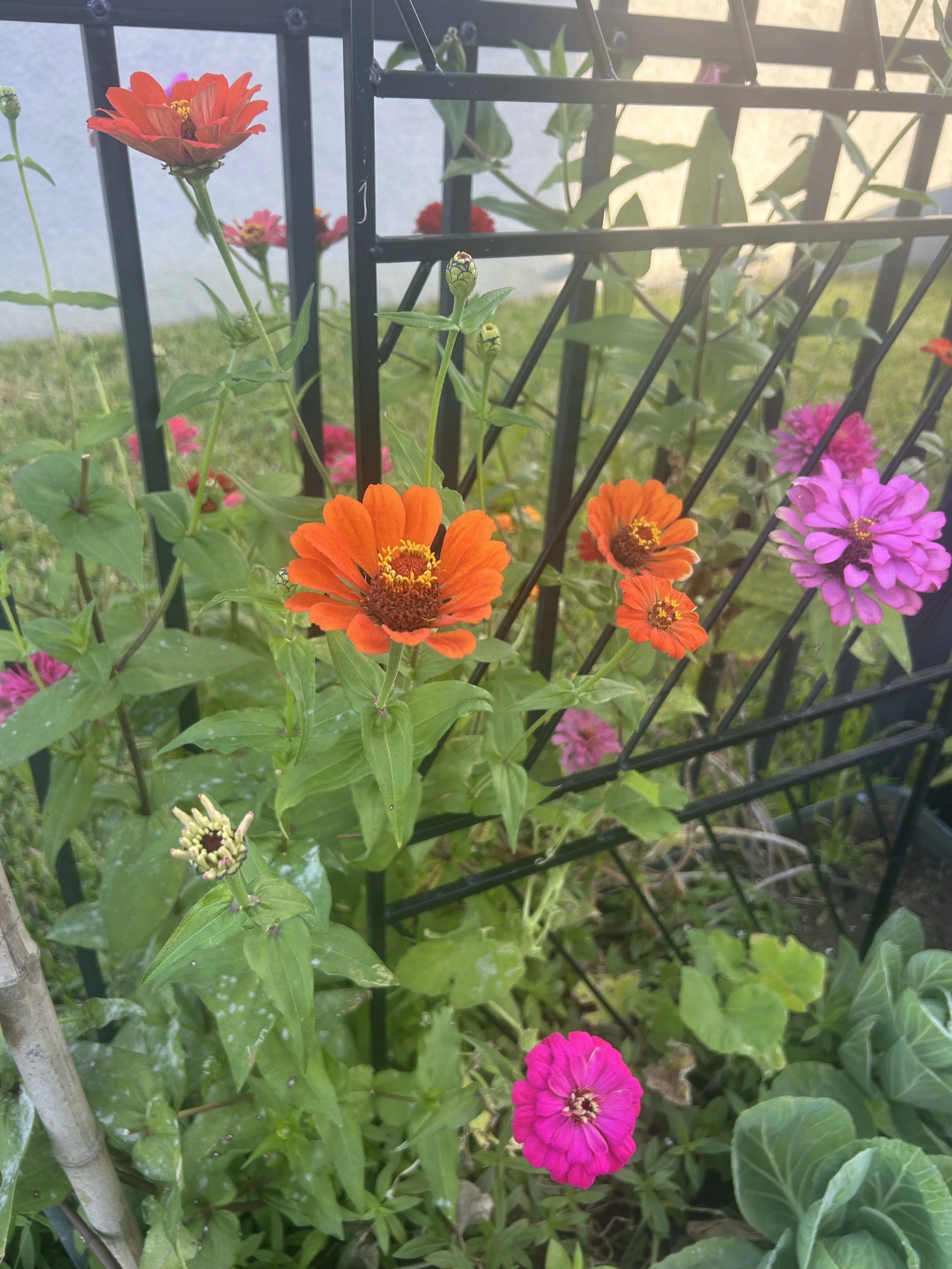
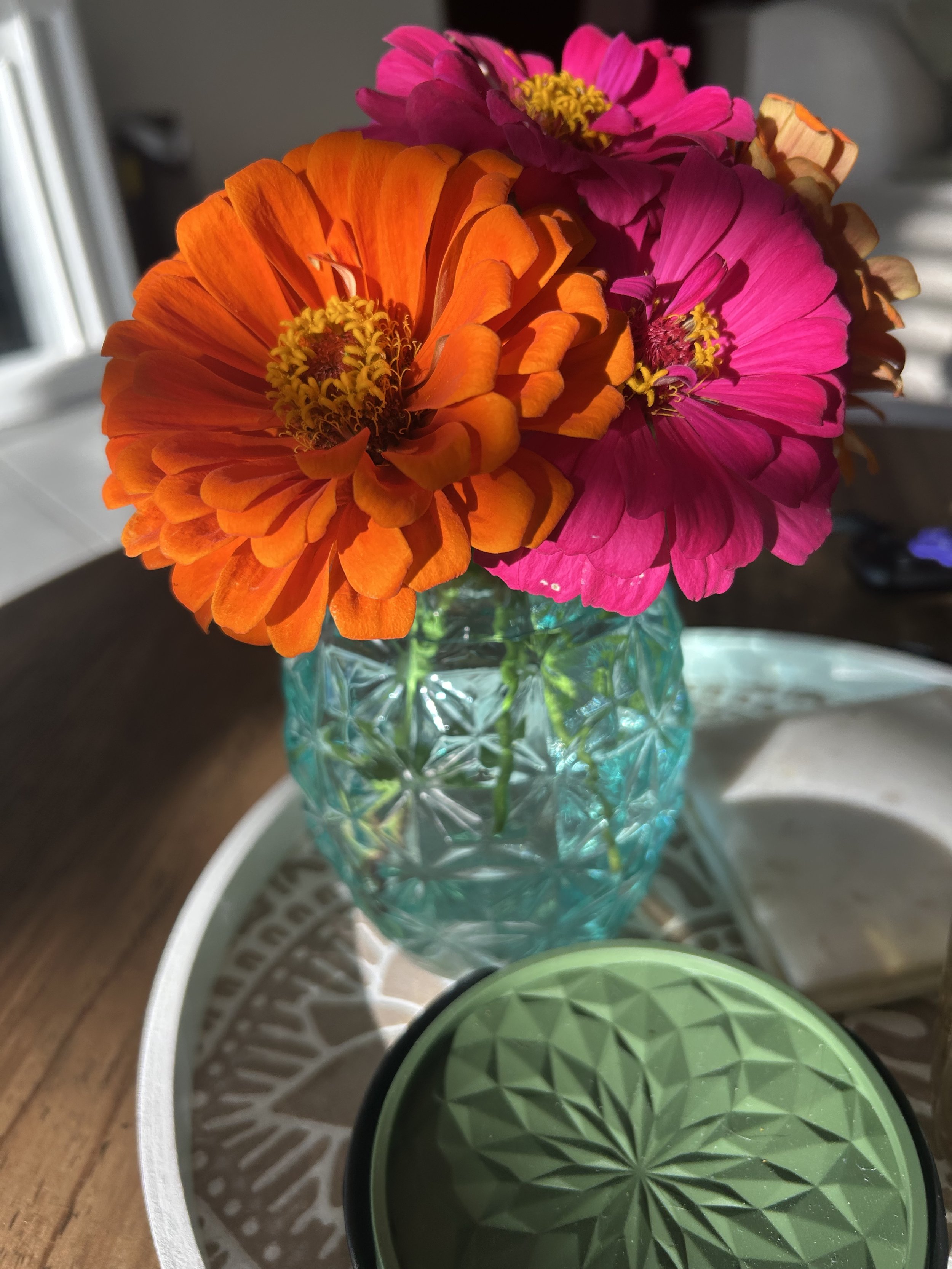
These grew wonderfully this past fall. They grew back quickly when clipped and it was really nice to have a fresh vase of flowers with so many bright colors as the days grew shorter.
In Zone 9b Central Florida, Zinnias are the "bread and butter" of the cut-flower garden. While the rest of the country struggles to keep them alive past August, our long season allows us to grow them from March all the way through November.
Feb/March: First planting.
April/May: Peak harvesting window (the cleanest blooms of the year).
June/July: High disease pressure; pull old plants and replant heat-hardy Oklahoma seeds.
August/September: Plant a final "Fall" round. Queeny Lime Orange looks incredible with autumn decor.
November: Harvest the last blooms before the first frost.
Varieties
Benary’s Giant - This variety looks like a dahlia and the "Focal" flower looks expensive and high-end.
Oklahoma - This variety is bushy and resilient. It is the most disease-resistant zinnia in 9b.
Queeny Lime - This variety offers a unique use of color. It is the "Artistic" flower and is highly sought after by florists for its vintage look.
Zinnias like well-drained soil.
Even the best Zinnias get "tired" after 8–10 weeks in the Florida sun. Plant a new batch every 3–4 weeks. When your first batch starts looking "crispy" or mildewy in June, pull them out immediately and let your May-planted batch take over.
If you don't pinch a Zinnia, it will grow one giant flower on a thick, short stem (the "King Bloom"). When the plant is 10–12 inches tall, snip the center stem just above a set of leaves. The plant will explode with 5–10 side branches, giving you the long, slender stems you need for bouquets.
Zinnias have "hollow" necks. If you cut them too early, the head will simply flop over. Grab the stem about 3 inches below the flower and give it a gentle shake. If the head wiggles or droops, it’s not ready. If the stem is stiff and the head stays upright, it’s ready to cut.
Water only at the base. Use a soaker hose. Never get Zinnia leaves wet in the evening.